Innovative Architect Designs: Unlocking the Benefits of Expert Architecture Services
Revolutionary architectural concepts are instrumental in transforming contemporary spaces. Through emphasizing environmental responsibility and practicality, architects can build settings that resonate with societal demands. The integration of green materials and intelligent systems boosts sustainable outcomes while fostering social interaction. As these designs evolve, they respond to occupant demands and embrace cultural traditions. A expert advice key inquiry persists: how do these elements converge to transform our built environments and uplift community standards?
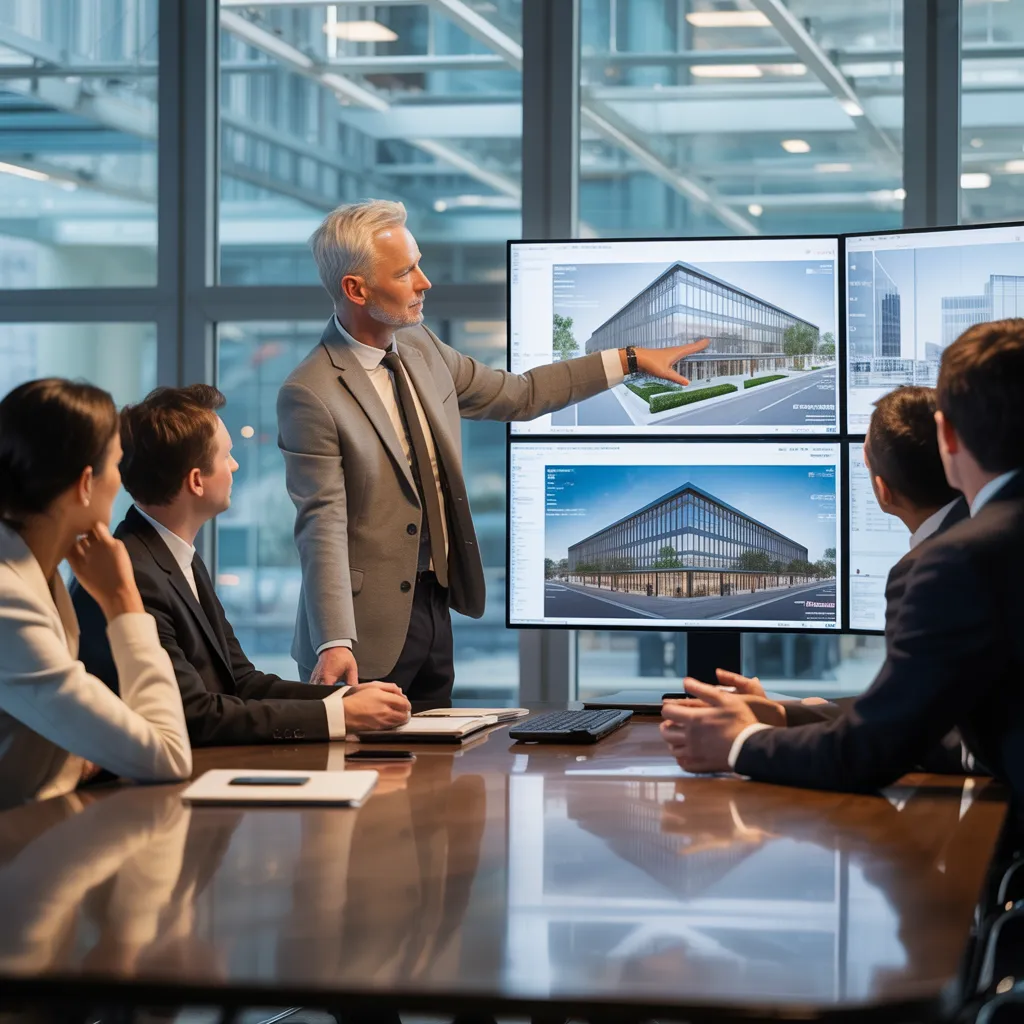
The Importance of Architects in Developing Sustainable Spaces
Architects serve a crucial role in the creation of sustainable spaces, significantly impacting the environmental outcome of built environments. Their skills facilitate the incorporation of eco-friendly materials, energy-saving systems, and creative design strategies that minimize resource consumption. By emphasizing sustainable practices, architects can create structures that reduce carbon footprints and strengthen overall energy effectiveness.
Working closely with engineers and sustainability experts is essential in this undertaking, ensuring that designs satisfy both visual and practical requirements while maintaining eco-friendly standards. In addition, architects consider the surrounding ecosystem, encouraging biodiversity and integrating natural features that encourage a balanced connection between constructed and natural spaces.
With careful consideration, architects champion the use of sustainable energy options, such as wind or solar energy, which additionally advances sustainability aims. In the end, their responsibilities reach far beyond building; architects shape the future of urban landscapes by nurturing a focus on responsible design and environmental stewardship.
Leading Innovations in Architectural Design That Boost Functionality
Several breakthroughs in architectural design are transforming functionality in modern spaces. A key development is the integration of smart technology, enabling structures to respond to occupant requirements through self-regulating lighting, environmental controls, and safety mechanisms. This improvement leads to greater energy savings and enhanced occupant comfort.
Additionally, modular building methods are becoming increasingly popular, allowing for quicker assembly and enhanced design flexibility. These frameworks can be effortlessly reorganized or extended, making them appropriate for numerous functions.
The concept of biophilic design, which incorporates natural elements into architecture, promotes health and efficiency, cultivating a connection between occupants and their environment.
Moreover, open floor plans are increasingly popular, providing versatile spaces designed to accommodate multiple activities.
Finally, eco-friendly materials are being employed not only for their environmental benefits but also for their aesthetic appeal and durability, improving the overall performance of contemporary buildings. These innovations collectively contribute to more adaptable and efficient architectural solutions.
How Design Brings Communities Together
Planning holds significant importance in nurturing relationships within communities, developing environments that promote engagement as well as communication among inhabitants. Carefully planned parks, plazas, and community zones function as indispensable gathering spots, promoting community interaction and a sense of belonging. Architectural features such as expansive floor plans and multifunctional spaces facilitate opportunities for local activities and initiatives, improving the collective living experience.
Additionally, designs that reflect local culture and traditions create a distinctive sense of identity, allowing residents to feel more connected to their surroundings. By emphasizing accessibility and inclusivity, architects ensure that everyone, regardless of age or ability, can take part in community life.
The integration of natural elements, such as verdant areas and communal spaces, additionally elevates the neighborhood experience, offering residents a sanctuary and a space for collective recreation. In the end, intentional architectural planning not only defines physical environments but also fosters the connections that unite communities.
Enhancing Energy Efficiency With Professional Architecture
A significant shift towards energy efficiency is revolutionizing the building design landscape, spurring the development of groundbreaking solutions that minimize ecological footprint. Skilled architectural expertise play an essential role in this shift by embedding sustainable practices into the design process. These design professionals evaluate patterns of energy use and employ cutting-edge materials, such as top-grade insulation and thermally efficient windows, to decrease climate control requirements.
Moreover, the integration of clean energy technologies, like solar installations and geothermal technologies, not only decreases dependence on fossil fuels but also lowers running costs for property owners. Intelligent building systems also optimize overall energy performance, facilitating live tracking and optimization of energy consumption.
Through meticulous planning and innovative design, skilled architects develop environments that not only meet strict environmental requirements but also foster long-term sustainability. This commitment to energy efficiency ultimately contributes to a more sustainable planet and stronger communities, highlighting the essential role of architecture in tackling climate change.
Thriving Urban Landscape Makeovers
One notable example is the revitalization of abandoned waterfronts into vibrant leisure spaces, equipped with parks, walking paths, and cultural attractions. These changes do more than improve the scenery, as they also invigorate regional economies by bringing in tourists and business opportunities.
Beyond this, thoughtful urban planning recognizes the distinct attributes of a community, guaranteeing that each transformation reflects its history and identity. This customized strategy fosters a sense of connection within the community, motivating guardianship of the area. At its core, thriving urban landscape projects reveal the power of urban planning to reshape urban experiences and support environmentally conscious communities.
Where Is Innovative Architecture Headed?
How can innovative architecture continue to adapt and respond to the evolving needs of society? As cities become progressively more complex, architects are called upon to confront significant challenges like sustainability, affordability, and social equity. Innovative technologies, encompassing artificial intelligence and next-generation materials, open up new possibilities for design, supporting more effective construction processes and superior energy performance.
Moreover, architects are progressively collaborating with numerous stakeholders, from local residents to sustainability professionals, guaranteeing that plans embody the priorities and requirements of the people they serve. This participatory approach fosters resilience, permitting designs to accommodate changing climate conditions and societal demands.
Moreover, the inclusion of biophilic architectural principles promotes human well-being, bridging the gap between inhabitants and the natural environment. As the architectural landscape evolves, the emphasis on innovative solutions will stay at the forefront, propelling the industry to craft spaces that are functional while also being transformative for the generations ahead.
Answers to Your Most Common Questions
How Do Architects and Engineers Collaborate on Projects?
Engineers and architects work together by integrating design concepts with technical requirements, guaranteeing structural soundness and performance. Scheduled meetings promote effective dialogue, enabling both fields to tackle obstacles and enhance project outcomes through shared expertise and innovative solutions.
What Are the Costs Associated With Hiring an Architect?
The fees related to employing an architect generally encompass architectural design fees, project management costs, and potential supplementary charges for site inspections or consultations. These costs can vary considerably depending on the complexity of the project and its location.
What Is the Typical Duration of the Architectural Design Process?
The process of architectural design generally requires several months, depending on the complexity of the project and client needs. Factors such as permit approvals, design revisions, and coordination with contractors may also affect the overall timeline, frequently prolonging the timeframe significantly.
Can Architects Help With Zoning and Permit Applications?
Yes, architects offer support for permit and zoning applications. Their expertise helps navigate complex regulations and ensures alignment with municipal codes, expediting the approval process and boosting the prospects of receiving the needed permits for projects.
What Qualifications Should I Consider When Choosing an Architect?
When choosing an architect, you should consider qualifications such as education, licensing, experience in relevant projects, strong communication skills, and a portfolio that highlights creative thinking and problem-solving capabilities. Specializations may also be relevant depending on project needs.